
With the proposed MEES tightening to EPC C in 2027/28, thousands of London commercial properties currently rated D would need to improve if it becomes law. The good news: most D-rated buildings can reach C through a combination of relatively straightforward upgrades. The key is knowing which ones actually move the needle in the SBEM calculation.
This guide covers the most effective improvements for typical London commercial stock: offices, retail, and light industrial. Every building is different, but these are the interventions that consistently produce the biggest rating jumps for the lowest cost.
Start with a current EPC
Before spending money on improvements, get a fresh EPC. Many landlords are relying on certificates lodged five or more years ago against older SBEM calculation methodology. The current SBEM engine (v6.1) calculates differently from SBEM v5.x, and a re-rating often shifts the result by a band in either direction.
The Recommendation Report that comes with every EPC lists the specific improvements that would lift your building's rating, with estimated impact. This is your starting point. Do not commission improvement works based on general advice or an old EPC.
Lighting: the single biggest lever
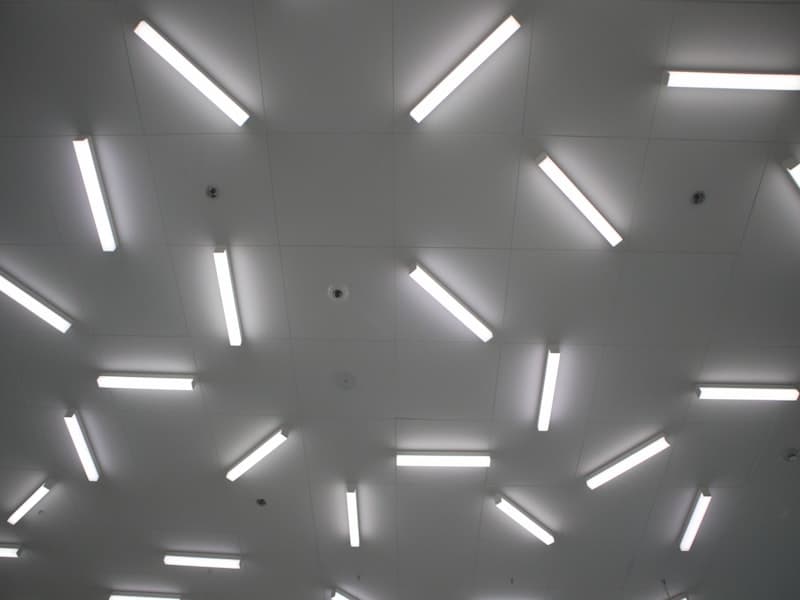
On most D-rated commercial buildings, lighting is the single most impactful upgrade in the SBEM model. Replacing T8 fluorescent fittings with LED panels, adding occupancy sensors and daylight dimming, and zoning the lighting controls correctly can lift a building by a full band on its own.
This is especially true for offices and retail, where lighting density is high relative to floor area. The cost is moderate, the disruption is minimal (most installations happen out of hours), and the payback through reduced electricity bills is typically two to four years.
Heating and controls
The second biggest lever is heating system efficiency and controls. For gas-fired buildings, replacing an old boiler with a modern condensing unit and adding time/temperature zoning can improve the rating noticeably. For buildings with electric heating, the picture is more nuanced because the carbon factor for grid electricity has dropped significantly, which the latest SBEM version reflects.
Installing or upgrading a Building Management System (BMS) with proper scheduling, setback temperatures and optimised start/stop also contributes. SBEM rewards buildings that can demonstrate automatic control of heating zones.
Insulation and glazing
Fabric improvements are effective but more disruptive and expensive. Roof insulation is usually the easiest win: adding 150mm of mineral wool to a flat roof void is relatively cheap and makes a meaningful difference to the U-value. Wall insulation is harder in commercial buildings, especially where external appearance matters or the building is listed.
Glazing replacement delivers the biggest fabric improvement but at the highest cost. Where full replacement is not feasible, secondary glazing can reduce heat loss without altering the external appearance. This is particularly relevant for older buildings in conservation areas across Westminster, Camden, Islington and Kensington.
Renewables: when they help and when they do not
Solar PV on a commercial roof can improve the EPC rating, but only where there is sufficient unshaded roof area and the panel output is material relative to the building's total energy demand. A 20kW array on a small office block will move the rating. The same array on a 5,000 m² warehouse will barely register.
Air source heat pumps are increasingly common in commercial refurbishments and can make a significant difference to the rating, particularly when replacing gas-fired heating. The capital cost is higher than a boiler replacement, but the SBEM improvement is substantial because heat pumps have a coefficient of performance well above 1.0.
The order of operations
The most cost-effective sequence for most D-to-C upgrades: lighting first (lowest cost, highest SBEM impact), then heating controls, then fabric where needed. Get a fresh EPC after each phase to track progress. Some buildings reach C after lighting and controls alone; others need the full programme.
Before committing to any works, discuss the Recommendation Report with your energy assessor. Not every recommendation is equally effective on every building, and an experienced assessor can tell you which interventions will deliver the most rating improvement for your specific building type.
Need an EPC or MEES audit on your London commercial stock?
Accredited assessors, lodged on Landmark in 24-48 hours. 1,000+ certificates delivered across Greater London.